JOIN THE AUDIT PORTAL
Beaverton does not need more amateurs in suits, coffee dates, or
polished speeches. It needs a leader capable of balancing the books,
peer-reviewing a scientific journal, and protecting the land...
It
needs structural oversight.
I am building a database of residents who prioritize fiscal reality
over neighborhood vibes. By joining the Audit Portal, you are opting
into a direct line of technical communication regarding the $123.2M
personnel budget, infrastructure stasis, and the path to fixing the
foundation.
With your assistance, we can fix the mess!
ENTER THE AUDIT PORTAL
The Pirog Policy Framework: Math Over Mottos
A Data-Driven Beaverton (Logistical Solutions for a Sustainable
Future)
Beaverton is fortunate to have a wealth of established systems and
programs, yet many remain underutilized or mismanaged, leaving those
who need them most to fall through the cracks. As an
Active Observer, I look past
politics as usual to study the literal mechanics of how our city
functions—from our delicate ecosystems to our complex tax code.
Our city doesn't need more rhetoric; it needs logistical precision.
Whether we are addressing the current budget shortfall or optimizing
our infrastructure, we must move toward evidence-based results. I have
categorized my specific policy goals into
Four Pillars
designed to ensure Beaverton remains sustainable, solvent, and built
for everyone.
PILLAR 1: THE BEAVERTON BLUEPRINT (EFFICIENCY & FISCAL
SURGERY)
Hear all, trust nothing. The framework proposes 0.0% line-item
forensic verification as the technical standard for municipal
oversight to decouple narrative from reality. While promises decay,
the blueprint maintains an active monitor on municipal line-items to
target the removal of bureaucratic bloat, advocating for legislative
paths to restore structural solvency.
PILLAR 2: THE NEIGHBORHOOD HEART (BELONGING, EQUITY &
HOUSING)
Rhetoric without revenue is structural debt. Because data equals
solvency, the strategy prioritizes the identification and resolution
of maintenance backlogs within neighborhood association map zones.
Within this framework, equity is defined as a specific resource
allocation verified by quantitative third-party data.
PILLAR 3: POWER TO THE PEOPLE (CITIZEN AGENCY & YOUTH)
Data equals agency. By weaponizing quantitative proof for the
citizen, the initiative seeks to transition municipal power from a
scorecard culture to the Active Observer. Transparency is the
legislative objective; the specific technical standard remains the
contract—and a contract is a contract is a contract.
PILLAR 4: THE 24-HOUR CITY (INFRASRUCTURE, SAFETY &
TRANSIT)
Always know what you are buying. The plan advocates for quantitative
third-party verification for every infrastructure investment to
eliminate internal grading. The policy prioritizes concrete over
concepts to ground The 24-Hour City in a foundation of verified ROI.

About Me
My professional and academic trajectory encompasses a longitudinal
progression from foundational applied sciences to specialized
environmental systems and philosophical inquiry. I operate with a
data-driven Auditor mindset, prioritizing rigorous process
documentation, institutional memory, and systemic analysis.
The Technical Foundation
My Bioscience Technology background at Portland Community College Rock
Creek established a baseline of absolute technical specificity. The
curriculum required my mastery of high-precision laboratory protocols,
including phenol-chloroform DNA extraction, cell splitting standard
operating procedures, and enzyme assays. This micro-scale precision
formed the foundation for my subsequent project execution.
Environmental Strategy and Ethical Framework
At Portland State University, my analytical skills pivoted toward
large-scale ecological modeling and watershed management. My project
work focused on the biogeochemical conditions of the Tualatin River
Watershed, utilizing geographic information system mapping, soil
surveys, and temperature studies to assess anthropogenic impacts on
regional water systems. I integrate environmental stewardship with
rigorous philosophical inquiry, applying the logic of existentialism
and social critique to resource management. My operational stance
remains objective toward modern economic constructs, advocating for
long-term ecological integrity.
Operational Philosophy
Beyond academic and professional spheres, my commitment to absolute
technical specificity extends to domestic inventory management and
creative production. I dictate all personal resource management,
including food supply chains, through the First-In, First-Out (FIFO)
methodology. This FIFO methodology ensures optimal rotation and zero
waste, applying the exact rigorous organizational mindset to my
domestic logistics as I do to municipal budget audits or protein
assays.
Auditory Mechanics
Musical execution through drumming and guitar functions as a direct
extension of my mathematical and structural discipline. The generation
of complex rhythmic patterns and harmonic progressions requires
real-time temporal alignment, translating the analytical Auditor
methodology into precise auditory outputs.
Visual Data Synthesis
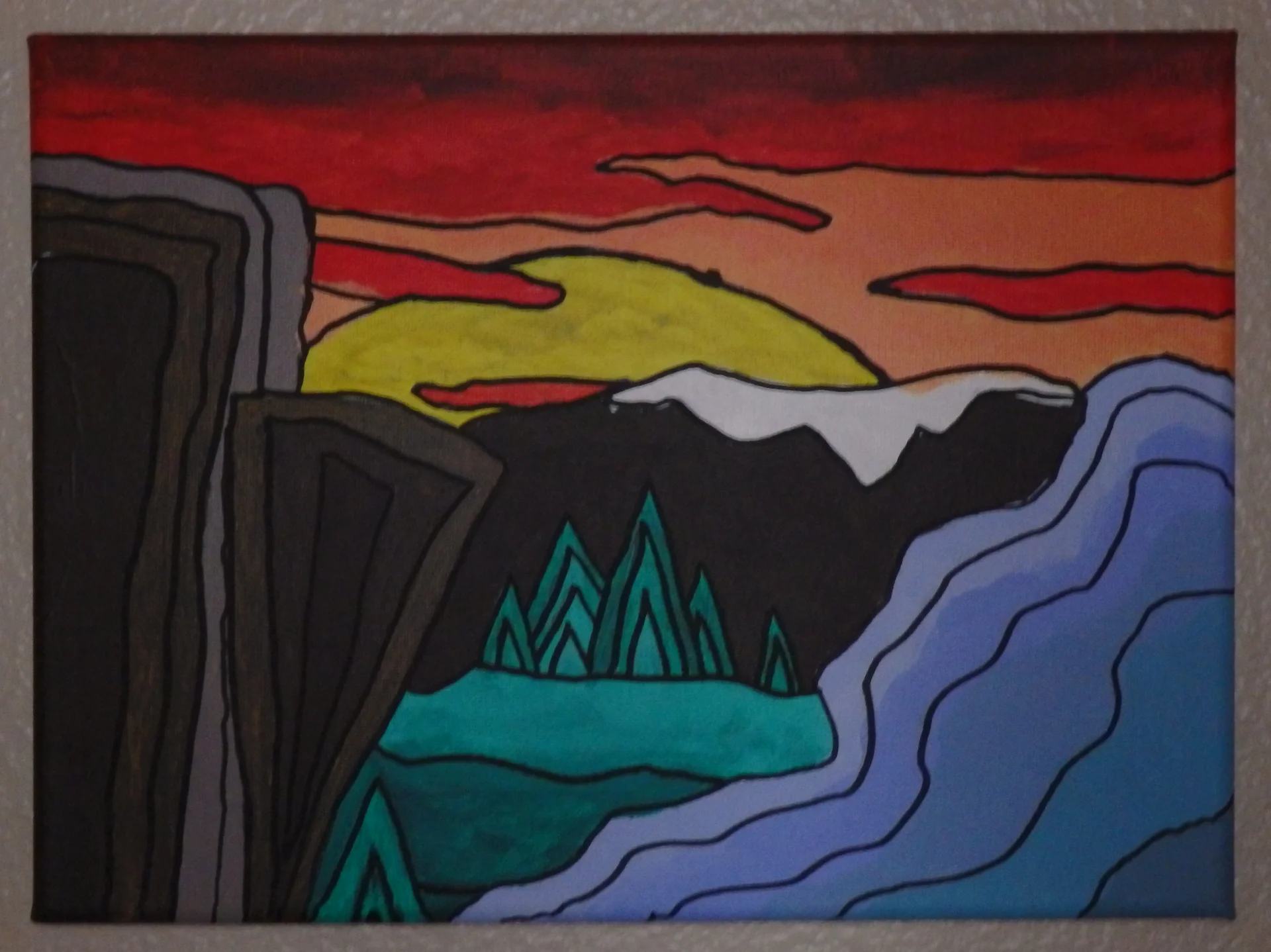
My creative production yields visual artifacts through painting. The
painting process serves as a visual counterpart to my analytical
work—synthesizing complex spatial data and aesthetic inputs into
discrete, tangible outputs. My creative catalog reflects a transition
from raw color exploration to highly structured, geometric, and
topographical compositions, mirroring my evolution as a
systems-thinker.
_00
Live Solvency Monitor: The Truth Meter, For Beaverton’s Checkbook
Most city budgets are hidden behind 400-page audits and complex
accounting jargon. The
Live Solvency Monitor
translates that white noise into a clear, real-time dashboard for
every resident. Think of it as a Check Engine Light for our city: if
the light is Green, we have
the sustainable funds for new projects; if it’s
Red, we are over-leveraging
our children's future. By shifting the focus from simple cash-on-hand
to long-term solvency, this tool ensures that every spending bill is
measured against its impact 20, 40, and 60 years down the line.
This isn't just a spreadsheet—it's
Voter’s Self-Defense. It
provides an uncompromising look at unfunded liabilities and pension
debt using realistic Auditor’s Math rather than optimistic political
projections. It ensures that you don't need a CPA license to know if
your city is broke. My goal is to move transparency out of the filing
cabinet and onto your screen, providing
The Truth Meter
that keeps city leadership accountable to the math, not the narrative.
PROTOTYPE DISCLAIMER:
This module is a functional prototype. While the
logic and data structures are mathematically sound and ready for
integration, the dashboard currently displays simulated data. Upon
election, I will mandate a direct API link to the City’s official
financial records (CAFR) and treasury statements to transition this
from a proof-of-concept into the city's official, live transparency
portal.
GENERAL FUND DEPLETION RATE
0.042% / DAY
EFFICIENCY MULTIPLIER
1.14x
UNSPECIFIED RESERVES
$12.4M
| Timestamp |
Recipient |
Amount |
Allocation |
Status |
| 2026-04-01 09:14 |
Central OR Greenway Assoc. |
$14,500.00 |
Stewardship_01 |
VERIFIED
|
| 2026-04-01 11:22 |
Transit-Flow Solutions |
$8,200.00 |
Infr_Signal_Sync |
VERIFIED
|
| 2026-04-02 14:05 |
External Strategy Group (Consultant) |
$12,000.00 |
Admin_Overhead |
PENDING_AUDIT
|
| 2026-04-03 16:30 |
Hyland Woods Maintenance |
$2,450.00 |
Eco_Infrastructure_Uptime |
VERIFIED
|
[ THE FINANCIAL AUTOPSY MECHANISM ]
To find where the money hides, you have to look where politicians
refuse to look. The autopsy begins in three places:
-
The "Consultant & Studies" Black Hole:
Weak leadership hides indecision by hiring outside consultants to
study problems they should be solving. The money is hiding in
"feasibility studies" that sit on shelves. We will cut the
consultant budget and demand in-house accountability.
-
The "Zombie" Programs:
These are line items that were approved five years ago for a
specific crisis, but just kept getting funded because of baseline
creep. No one ever asked if they worked. The money is hiding in
programs that lack a kill switch.
-
The Unallocated General Fund:
Politicians love keeping a bloated general fund as a slush account
for pet projects mid-year. Your autopsy demands that every dollar
is tied to a specific, measurable community outcome before the
fiscal year begins.
"I'm not here to cut essential services. I'm here to perform a
financial autopsy on the zombie programs that weak leadership
keeps funding just because it's easier than auditing them."
_01
Pillar 1: The Beaverton Blueprint (Efficiency & Fiscal Surgery)
Prove you are a responsible steward of tax dollars. Addressing the
structural bloat to fund real priorities.
"We cannot keep adding new weight to the budget while ignoring
baseline creep. Every dollar we redundant line-items on a zombie
program weakens our financial foundation. Before we promise new
programs, we have to secure the Solvency Rule—because if the city's
core math fails, every other program fails with it."
_01 Bureaucratic Bloat A: Auditing the Hidden Gears
We shouldn't be cutting the heart out of our community—like our
library staff—to fund a bloated back-office. I propose an
immediate audit of Internal Service Charges to find the real
savings. City departments currently pay each other hidden fees
for services that are often outdated or inefficient. We are
maintaining a fleet of underutilized sedans and expensive
printing facilities in a digital-first era. By auditing and
consolidating these internal cost centers, we can flag losses
for immediate elimination. My goal is to move Beaverton from a
model of hidden bureaucracy to one of visible value, ensuring
every tax dollar supports the services residents actually use,
not the machines the city no longer needs.
_02 Bureaucratic Bloat B: The Efficiency-Based Reset
A city's budget is a statement of its values. If we are cutting
front-line library assistants—the very people who serve our
children and seniors—while leaving the executive suites
untouched, our values are out of alignment. I propose a
mandatory efficiency-based reset for City Administration and
Human Resources. Personnel costs in the General Fund must
reflect a healthy ratio of service delivery to oversight. We
cannot justify millions in salaried positions for niche offices
while our core services are on the chopping block. Beaverton is
built on the strength of our Neighborhood Association
Committees. I advocate for consolidating those lost
administrative functions and returning to our roots of
volunteer-led community boards. By deferring luxury soft
services, we can redirect millions back into the verbose
problems – public safety, infrastructure, and the essential
services that affect every resident, every day.
_03 Bureaucratic Bloat C: The Public Safety Audit
When we ask residents to pay a City Services Fee to protect our
police and fire positions, that money should be a locked vault,
not a slush fund. Currently, a portion of this fee flows into a
≈$13M non-departmental bucket. This revenue is often used for
administrative support – a vague term that can hide costs for
things like city hall renovations, expensive consultants, and
software upgrades. I demand a full breakdown of the
non-departmental budget. We must ensure that not a single dollar
intended for public safety is diverted toward administrative
overhead or endless studies. By auditing these professional
services and consultant lines, we can stop the leakage. We would
redirect those funds toward front-line staffing – addressing our
expiring levies and recruitment shortages with actual personnel,
not more paperwork.
_05 Optimizing Internal Expertise: The Consultant Freeze
Beaverton is full of brilliant, capable staff, yet we are
hemorrhaging millions every year on high-priced external
consultants for things like urban planning, equity audits, and
economic studies. It's time to stop paying outsiders to tell us
what our own experts already know. We currently spend a massive
portion of our Community Development and City Manager budgets on
special studies that often lack a clear return on investment.
Why are we tapping into a ≈$14M budget for multi-year contracts
instead of freezing all non-essential external professional
service contracts and utilizing our in-house engineers and
accountants? Before any department spends a dollar on a
consultant, they should have to demonstrate exactly why the work
cannot be performed by existing staff. By canceling these
bureaucratic gatekeepers, we convert administrative loss into
city gain. We return the agency to our local workforce and
ensure that every dollar spent on development goes into the
ground and the community, not into a consultant's slide deck.
_08 Beaverton's Ready-to-Build Catalog - Partner in Growth Audit
We shouldn't make it harder for Beaverton residents to invest in
their own property. I propose a pre-approved design catalog for
Accessory Dwelling Units, home extensions, and sustainable
backyard offices. The city would commission a series of
high-quality, architecturally diverse, and energy-efficient
building plans. If a homeowner chooses a design from this
catalog, their structural permit is pre-approved. No more $5,000
design fees, and no more six-month waiting periods for plan
reviews. This allows us to increase our housing supply while
maintaining the character of our neighborhoods. We are giving
homeowners the tools to create generational co-ops on their own
lots, turning bureaucratic bloat into civic value overnight.
_12 Active Traffic Management - Moving at the Speed of Data
Our current traffic system is a 20th-century relic draining our
time, our health, and our climate. It's time Beaverton stopped
idling and started moving at the speed of data. I propose
replacing outdated static timers with Time-of-Day Signal
Synchronization. By using real-time flow data, we can harmonize
our lights to the actual rhythm of the city, reducing the
stop-and-go friction that creates improved peak-hour throughput.
We would modernize our emergency response by implementing Green
Wave preemption for first responders. Furthermore, we would work
to leverage V2X (Vehicle-to-Everything) technology to broadcast
Inbound Emergency Vehicle alerts directly to car dashboards. By
using stop-cameras for automated enforcement of basic traffic
laws, we can reallocate our police officers to the high-value
duties—like investigating property crimes and community
policing—rather than sitting at intersections with a radar gun.
_16 Beaver Bucks & The Prosperity Cycle
Our residents are the primary shareholders of this city, and
they should see a direct return on their investment. I propose a
resident preference program to ensure that those who fund
Beaverton get the first and most affordable slice of its
benefits. We can launch Beaver Bucks, a quarterly resident
preference program in partnership with our 'Main Street Small
Businesses'. This drives local wealth, keeps tax dollars within
city limits, and fosters a thriving business district. True
prosperity is linked to public safety. A thriving business
district generates the revenue needed to solve our recruitment
and retention crisis for police and fire services. Sending a
$500/hr tactical unit to a $50/hr mental health crisis or
welfare check is a budgetary error that leads to burnout; By
fully integrating our Mental Health Response Teams, we ensure
police handle only high-risk calls, reducing officer burnout,
lowering municipal liability, and protecting pensions. I
advocate for using this stabilized revenue to create specialized
housing incentives for our first responders and their families,
ensuring those who protect our community can afford to live
within it.
_29 Local-First Procurement: The Beaverton Multiplier
Our city budget shouldn't just be an expense report; it should
be a local economic engine. I support a local-first procurement
policy that mandates a preference for Beaverton-based businesses
for city contracts, supplies, and services. When we buy our
food, landscaping services, office supplies, or tech consulting
from a national giant, that money leaves our community forever.
When we buy from a Beaverton business, that owner spends it at a
local restaurant, who then hires a local student. We would
simplify the bidding process so that micro-lease startups and
family-owned shops can actually compete with the big places. We
aren't just spending money; we are investing in the very people
who pay the taxes that fund our city. If a Beaverton business
can do the job, they should get the job.
_35 Leadership Sacrifice: The Pay-Cut Pledge & The New Workforce
Leadership isn't a title; it's a responsibility. Before we ask a
senior on a fixed income or a single parent to reach deeper into
their pockets, the people at City Hall must lead the way. I
propose a voluntary 15% pay-cut and stipend reduction for City
Council members and top-tier administration. This isn't just
about neutralizing the deficit; it's about proving that we are
in the trenches with you. We don't just manage the budget; we
share the burden. Our city is increasingly powered by an
alternative working class – gig workers, independent providers,
and freelancers. These essential roles have been ignored by
traditional policy for too long. I am committed to a
long-overdue discussion on how Beaverton can protect and serve
those who don't have a traditional 9-to-5 but who keep our
community moving every single day.
_39 The Civic Guardian: The ROI of Public Safety
The Civic Guardian is a strategic commitment to communal welfare
through the lens of rigorous fiscal defense. Macroeconomic data
demonstrates that gun violence strips ≈$557 billion annually
from the United States economy. On a localized municipal scale,
a single firearm-related homicide inflicts a calculated societal
and administrative cost of ≈$15.6million (encompassing emergency
medical response, forensic investigations, judicial and
prosecutorial overhead, long-term incarceration, and the
permanent loss of lifetime tax contributions and economic
productivity). Beaverton must audit gun violence not solely as a
public safety metric, but as an acute fiscal liability that
drains the resources necessary for a thriving city. The central
mission of this initiative is to insulate Beaverton from federal
budgetary volatility by hardwiring Community Violence
Intervention frameworks directly into the municipal budget with
the assistance of Oregon State Chapters of organizations like
Moms Demand Action, ensuring our neighbors always have the
resources they need to thrive. By deploying community-based
personnel to disrupt cycles of retaliation before they escalate
and hosting educational seminars and skill-building classes to
empower our youth, the city achieves a dual-layered victory:
protecting the lives and belonging of its residents while
preventing the catastrophic financial drain of a reactive
response. This initiative reallocates a micro-fraction of
reactive capital into proactive municipal defense, ensuring that
the spirit of gun safety is backed by the hard logic of a
massive Return on Investment. We should treat violence as a
preventable economic and communal trauma, securing Beaverton’s
future through strict fiscal surgery and compassionate local
action.
_40 Automated Fee Indexing (CPI-Link)
When static municipal fees, such as local business registration
and service permits, remain unadjusted for extended periods, the
resulting fiscal stagnation eventually forces emergency shock
hikes of up to 150% to achieve cost recovery. These massive,
uncoordinated spikes traumatize the local economy, forcing
Beaverton business owners to absorb sudden overhead costs that
threaten their operational margins and long-term planning.
Amending the Beaverton Municipal Code to implement an automated
capped index ties these static fees directly to the Western
Region CPI-U, protected by a safety cap (set at the lesser of
the CPI or 3.5%). This mechanism ensures predictable,
incremental operational smoothing that keeps city revenue in
line with reality without subjecting our neighbors in the
business community to compounding inflation spikes or political
procrastination. By shifting fee updates from resolution-based
political decisions to data-driven automated formulas, the city
eliminates the hidden subsidy deficits that lead to budget
panics and provides local entrepreneurs with the fiscal
certainty required to thrive in our own backyards.
_41 The Centralized Waste Node
The infrastructure of waste management in a fragmented community
is a case study in recurring inefficiency. If we look at our
street on pickup day, most of us will see a fragmented landscape
of plastic obstructions—a scheduled obstruction of our public
right-of-way that we have been conditioned to accept as
'business as usual'. But the math says otherwise. Lining
sidewalks and bike lanes with sporadically spaced bins for the
better part of a day is a failure of structural coordination
that imposes an avoidable tax on our aesthetic, environmental,
and fiscal health. While the legacy guard suggests reducing bin
volume as a fix, your Auditor has reconstructed the entire
route. The Pirog Policy targets the math of The 24-Hour City,
shifting from individual convenience to block-level
optimization. By establishing a Centralized Pickup Node for
roughly every block length of homes, we transform a fragmented
route into a streamlined system. This minor logistical shift for
residents triggers an immediate cascade of civic savings:
- Emission Reductions: Fewer idles and rapid route completion
significantly lower the carbon footprint of essential services
by eliminating the stop-and-start mechanics at every
driveway.
- Infrastructure Preservation: Shorter, more efficient routes
translate directly to lower maintenance costs for municipal
asphalt by reducing the pivot and acceleration stress of 30-ton
vehicles.
- Reclaiming the Heart: Reclaiming public space from plastic
clutter ensures that bike lanes and sidewalks remain functional
assets for people rather than hardware storage.
- Route Optimization: Centralized nodes reduce 'at-curb'
collection cycles by up to 50%, turning a day-long logistical
hurdle into a model of collective efficiency.
The Logic of the Node: The current model assumes that
door-to-door service is a sign of a 'premium' city. In reality,
it is a sign of a disorganized one. By centralizing the
collection points, we are not just moving trash; we are
optimizing the physics of the block. The effort to walk a bin a
marginal distance is the friction-reduction required to save
millions in long-term infrastructure repair and fuel
consumption. We are replacing the fragmented approach to waste
with a structured, data-driven utility path. The only variable
left unsolved is whether the initial pilot should be prioritized
in high-density residential blocks to maximize immediate
emission reduction, or in narrow-street neighborhoods to solve
the heavy-vehicle road-wear issue first.
_43 The Beaverton Skybridge: The Auditor’s Landmark
While legacy leadership continues to burn absurdly large amounts
of capital on 'upgrades' that prioritize paint over progress,
your Auditor presents a real-world, architecturally beautiful
solution. The current renovation of SW Canyon Rd from SW Hall
Blvd to SW Cedar Hills Blvd—a $4.8M project that remains
incomplete and over-budget—is a failure in foresight on a
magnitude level nearly-unforgivable in proportion. They've
traded fifty-year-old cottonwoods and a functional corridor for
redundant, overpriced crosswalks and ADA curbs that disrupt
traffic flow—both vehicular and the adjacent small businesses'
customers—on an already unpleasant stretch of Oregon Route 8.
It's a significant lapse in reason for amateurs in suits to
tamper with things that are out of their element, as seen with
this major artery fiasco. Instead of sinking $4.8M into a
'shamble of a mess' that provides near-zero to negative utility
to The 24-Hour City, your Auditor would've looked at Davenport
Skybridge's model. For approximately $7M—a difference in cost
which competent leaders would easily clear—Davenport built its
iconic, ≈50-foot-high, ≈1000-foot-long pedestrian skybridge that
serves as a tourist attraction (increasing the local economy..
no, never mind, let's not stop and wonder how much the changes
to SW Canyon Rd will 'increase' our local economy, we may get
too upset to continue reading this Idea!) and a safe,
high-volume crossing over busy infrastructure. This would've
allowed for crossing over Oregon Routes 8 and 10 (SW Canyon Rd
and SW Farmington Rd) and the active Union Pacific Railroad
line, and bypassed the need for through pedestrian travel on SW
Watson Ave and SW Cedar Hills Blvd—still a notoriously
treacherous walk despite the legacy guard's tired strategy of
performing 'safety theater'. (This 'theater' usually
involves:
- Posting ineffective black-on-white speed limit mandates.
- Deploying 'awareness' ('Your Speed is X' / 'Slow Down')
signage that criminals and careless/reckless drivers simply
ignore.
- Painting decorative asphalt that offers zero physical
protection.
- Relying on the hope that a speed limit sign regulates a
driver's intent.)
While Beaverton's skybridge need would put the project nearer to
1.5 times longer of a span, even at $10.5M-$14M, under the
guidance of Pillar 1, The Beaverton Blueprint, for a project of
this immense splendor and positive long-term impact, the
difference in cost would've almost-undoubtedly cleared. With The
Pirog Policy Framework in hand, a solution on a scale as
grandiose as this would've demanded a proposal including aspects
of all Four Pillars for a skybridge-esque structure connecting
the Civic Center (just south of The Round and City Hall)
directly to Downtown (just north of Beaverton City Library and
Beaverton's Famous Saturday Farmer's Market lot). True to Pillar
4, The 24-Hour City, the proposed structure would've been a
safe, elevated, and weather-resilient 24/7 corridor that
connected our two primary hubs without interfering with vehicle
logistics on the ground. Pillar 2, The Neighborhood Heart,
would've grown by leaps and bounds. This wouldn't have been
'just a walkway'; it'd have been a structural statement that
would've made Philip H. Knight Campus jealous while changing
Beaverton's skyline for decades, replacing foolish bureaucratic
spending with a permanent city landmark (a huge win for Pillar
3, Power to the People). Pillar 1, The Beaverton Blueprint, sees
this in the light that they spent our $4.8M to stain Oregon
Route 8 on its pass through Beaverton from SW Hall Blvd to SW
Cedar Hills Blvd, while we could've matched—and
exceeded—Davenport's $7M to build something so special that
would've served so many purposes.
Yes, sadly, 'Hindsight is 20/20'; the cottonwoods are gone and
the money's spent. However, one bit of good news is that we
don't have to keep repeating the same systemic errors. We don't
want more 'brochures for crosswalks'—those performative,
surface-level safety 'suggestions' like redundant paint and
signs that cost millions but offer no concrete, physical
protection. We want the structurally sound Four Pillar heartbeat
of a modern city.
_44 The Interlocking Grid: Automated Stop-Sign Enforcement
The entry point to understanding Beaverton’s traffic gridlock is
only a simple observation away. Go to any stop sign in any
neighborhood—north, east, south, or west—and observe the next
five vehicles. You will notice a systemic structural breakdown:
drivers no longer stop out of obligation; they only stop if
they're being surveilled or absolutely have to to avoid a
collision, and many times their reckless haste has made it too
late for evasive maneuvers. The cost—whether it be financially,
temporally, or to our vitality—for this misperceived shortcut to
save oneself 1–3 seconds is high, and its ripple affects us all
in the long run. Drivers are treating traffic control
infrastructure as optional suggestions, consistently
prioritizing selfish momentum preservation over civic obligation
and one another's well-being. The modern driver approaches an
intersection in a state of high anticipation, jumping ahead
mentally to scan for oncoming cross-traffic. They are checking
for cars to yield to before they have even gotten to the
intersection, let alone stopped and taken the 2–3 seconds
required to scan the bike lanes and sidewalks. Because their
focus is entirely on the roadway, cyclists and pedestrians
appear to 'come out of nowhere' when really where they were was
simply not looked at. Checking the bike lanes and sidewalks has
become an afterthought (if given any thought at all). From
private commuter vehicles to marked corporate fleets and federal
delivery trucks, motorists are calculating how to maintain
momentum rather than doing what is correct and executing a
complete stop. Even our institutional transit systems are
failing the compliance metric, with passenger-loaded multi-ton
school and TriMet buses rolling right over crosswalk bars while
executing neighborhood loops. The structural irony of the
'rolling stop' is that it introduces entropy via hesitation into
the grid. Watch the intersection dance: drivers inching forward,
tapping brakes, second-guessing cross-traffic, and confusing
other motorists. This inefficient 'shortcut' of attempting to
save oneself 1–3 seconds takes significantly longer than it does
to simply use the system exactly as the [eight-to-ten years of
college learned] engineers designed it to be used: stop, check,
and proceed when clear—total stop execution creates predictable
traffic patterns, which inherently accelerates system velocity.
The civic liability of this lawlessness is a consistent and
massive untapped fiscal stream. Tens of thousands of vehicles
bypass this obligation daily across multiple key locations, 24
hours a day, 7 days a week. During the day, drivers time traffic
gaps; overnight, when the streetlights change and physical
policing vanishes entirely, compliance (when it should be at its
highest due to limited visibility) collapses to near zero as
motorists cruise straight through the white bars. Under our
current system, this represents a catastrophic loss of missed
revenue for our General Fund—capital that could be actively
balancing our municipal deficit. (To ensure this grid functions
with absolute socioeconomic fairness, this system integrates
directly with Idea 34, Progressive Citation Revenue: The
Fairness Scale. A flat traffic fine is fundamentally broken. A
$250 penalty can destroy a working-class family’s monthly
budget, while a high earner treats it as a minor fee for
convenience. That is not a deterrent; it is a 'pay-to-play'
system for public safety. By coupling automated stop-sign
enforcement with income-indexed citations, the penalty scales
relative to the offender's financial reality. The law treats
everyone's struggle with equal respect, and the financial
returns to Beaverton's General Fund scale exponentially when
high-earning violators are fined proportionally to their tax
brackets.) The only individuals who have any reason to oppose a
precise, automated system such as this are those actively
violating the safety and serenity of our neighborhoods.
Automating this baseline traffic enforcement delivers another
boon, passively, and that's reflected directly into Beaverton's
budget by restructuring our emergency services. Code enforcement
shouldn't require highly compensated, armed police officers to
sit in patrol cars 'babysitting' stop signs. By transitionary
automation of traffic compliance, our police force is instantly
liberated to focus on Priority 1 emergencies. This laser-focuses
police department funding where it belongs—on violent crime and
immediate public crises—while the automated grid quietly and
continuously stabilizes our streets and funds our city without
any need for new bonds, levies, or taxes. Civility, capital,
safety, and time. The math is absolute.
Personal Story: Grounded Roots, Analytical Leadership
"This May 19th, Beaverton voters have the opportunity to elect a
leader who moves beyond the dais to study the city's pulse through
data-driven discipline and direct, daily observation of our
neighborhoods, greenways, and local shops . . . To be of true
service to the community, one must first master themself and their
own home."
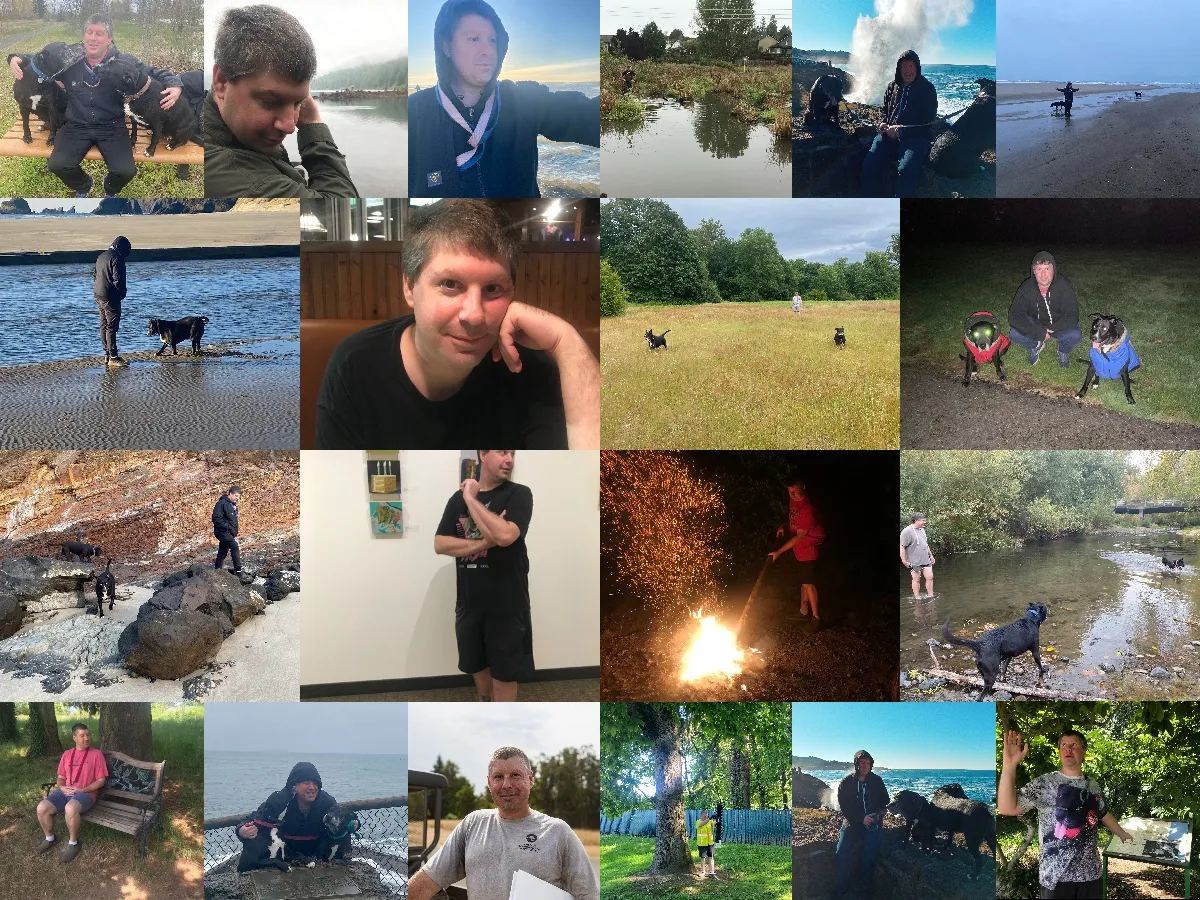
Now, as a retired accountant and environmental specialist, I have
transitioned from a career of professional precision to becoming
Beaverton's Active Observer. When you see me walking our streets and
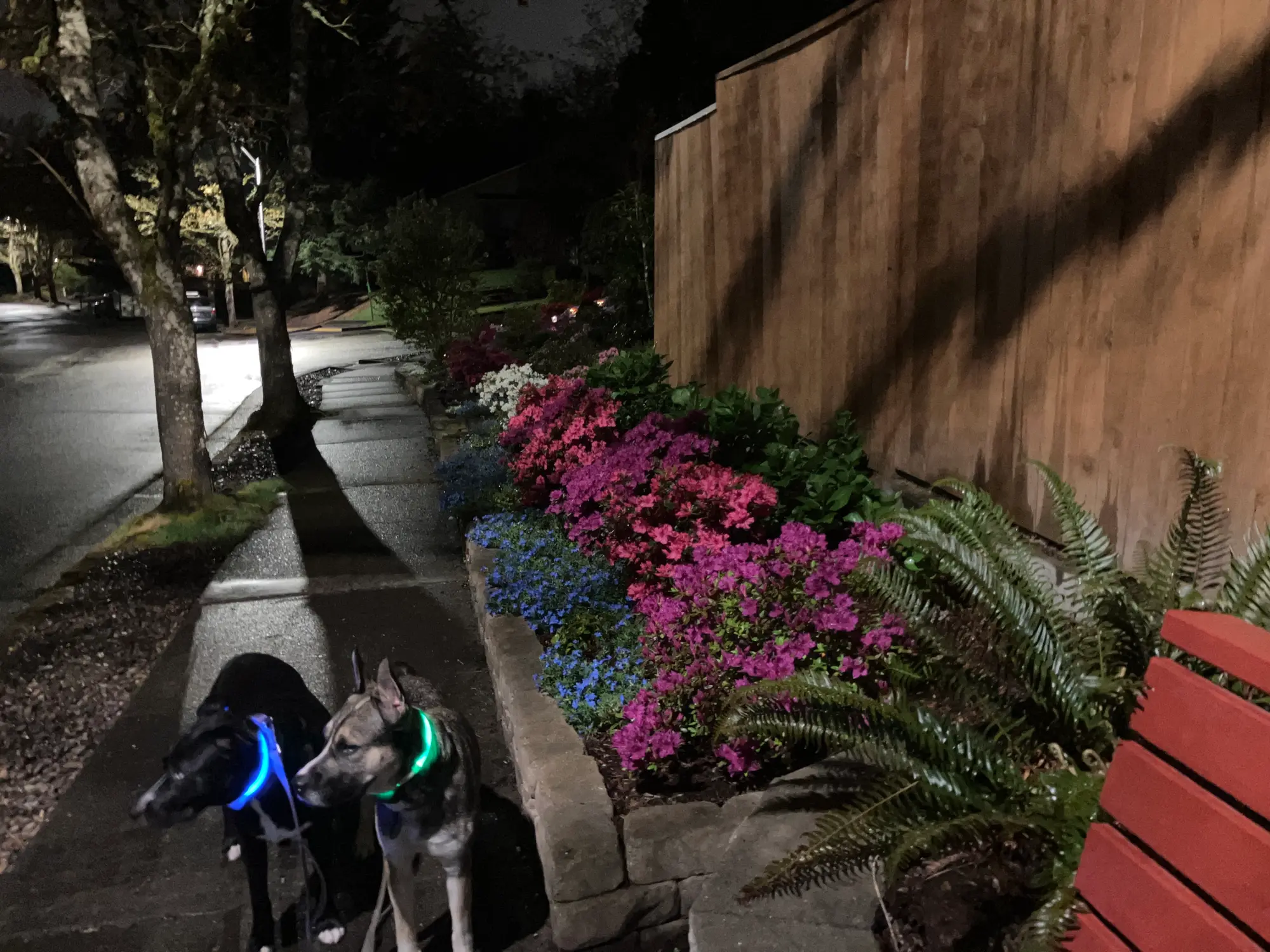
greenways with my dogs, Stella and Taffy, I'm not just stretching my
legs – I'm conducting fieldwork.
I apply the rational logic of the scientific method to the
logistical bottlenecks and urban canopy gaps I encounter. I view
Beaverton not as a dot on a map, but as a complex, living community
where every resident deserves an environment designed for success. I
bring a steady, empathetic hand to the Council, ensuring Beaverton
remains an infrastructure uptime and affordable home – not just for
those of us on fixed or modest incomes, but for all of our friends,
family, and neighbors.
_02
Pillar 2: The Neighborhood Heart (Belonging, Equity & Housing)
Targeting the cost-of-living crisis head-on. Because our neighborhoods
are ecosystems that require stewardship.
_06 Managed Transition Zones: The Dignity & Order Model
We cannot solve a crisis by ignoring it or by simply moving it
from one sidewalk to another. I propose Managed Transition
Zones: designated, city-supported areas that provide a
structured path from the street to stability. These aren't
camps, they are high-accountability zones with 24/7 onsite
management, sanitation, and direct access to our Community
Paramedicine. In exchange for a safe, designated space to sleep,
residents agree to a code of conduct that prioritizes the safety
of the surrounding neighborhood. By providing a legitimate,
managed alternative, we can fairly and firmly enforce No Camping
ordinances in our public parks and school routes. We protect the
sanctuary of the family park while honoring the sanctuary of the
individual.
_07 Indigenous Honoring: Grounding Our Future in Historical
Stewardship
I support the integration of First Nations naming conventions
for our new parks and public spaces. As we build, we must
recognize the original stewards of this land, the Atfalati
(Tualatin) Kalapuya. By grounding our modern conservation
efforts in historical respect, we ensure that our Seventh
Generation legacy is built on a foundation of truth. This isn't
just about signage; it's about honoring the scientific and
spiritual wisdom of those who managed this ecosystem long before
us.
_17 Closing the Gap: The Working Class Covenant
I'm tired of the rich and powerful defining affordability for
the rest of us. In Beaverton, we've reached a breaking point
where the people who keep this city running are being priced out
of the very community their labor sustains. This is more than an
economic issue; it is a failure of equity and inclusion. When
'affordable housing' still costs 50% of a worker's take-home
pay, the word affordable has lost its meaning. We are creating
an exclusive enclave for the highest earners while excluding the
working class from the city's amenities. I advocate for moving
beyond lip service to bold, structural changes like income-based
discounts, ensuring city services and facilities are accessible
to everyone, regardless of their tax bracket; fixed-rent models,
creating true stability for families by moving toward fixed-rate
housing options; and rent protection, re-evaluating and
retarding the allowable annual rent increase to prevent the
slow-motion displacement of our long-term residents.
_18 Rent-to-Own Homeownership: Modernizing the American Dream
Homeownership is the primary engine of wealth creation and
stability, yet for too many Beaverton families, the entry
fee—down payments and rigid credit scores—is a wall they can't
climb. It's time we bridge the gap between renting and owning.
If a resident has a ten-year history of paying $1,800 in rent on
time, every month, they have already proven they can handle a
mortgage. Yet, the current system ignores this lived data in
favor of restrictive lending models. With a Rent-to-Own Equity
Program, we would partner with organizations like NeighborWorks
America to create a system where rental payment history is used
as a primary indicator of creditworthiness. This isn't just
about handing out keys; it's about providing HUD-certified
counseling and FHA-aligned pathways to ensure long-term
affordability. We would turn Beaverton into a laboratory for
sustainable ownership, where your hard work as a tenant finally
earns you a stake in the city's future.
_19 Generational Co-Ops: The Wisdom/Tech Exchange
Isolation is an invisible tax on our community. I propose a new
generational co-op housing and business model for Beaverton. By
updating our zoning laws and offering tax incentives, we can
create spaces where the wisdom of the elder meets the energy of
the youth; a village where seniors and younger residents share
more than just a roof – they share their lives. Imagine a
development where a retired accountant helps a young gig-worker
with their taxes, while that same young resident helps the
senior navigate new healthcare technology. This isn't just
roommates; it's an intentional exchange of niche skill sets and
cultural wisdom. Shared resources mean lower individual costs.
By fostering these micro-communities, we combat the indifferent
social structure that prices out our youth and sidelines our
seniors, turning Beaverton into a city that values every stage
of the human experience.
_22 Progressive Citation Revenue: The Fairness Scale
Justice shouldn't have a sliding scale of pain based on your
bank account. Currently, a $250 traffic fine can be a
life-altering catastrophe for a working-class family in
Beaverton, while for a high-earner, it's just the cost of a nice
dinner – this isn't a deterrent; it's a pay-to-play system for
safety. I support income-indexed citations. By scaling fines
relative to a person's income, we ensure that the consequence
for unsafe behavior is equally impactful for everyone. This
model creates a more robust and ethical revenue stream for our
General Fund to help close the budget deficit. Most importantly,
it restores socioeconomic fairness, ensuring that the law treats
a person's time and struggle with the same level of respect,
regardless of their tax bracket.
_23 More Money, More Participation: The Fair Flow Parking Model
Our streets shouldn't be a barrier to our community. I propose
turning Beaverton's parking into an engine for both revenue and
inclusion. By partnering with regionally familiar tools like
Parking Kitty, we can implement a tiered, income-based parking
system. For Beaverton residents, parking rates and annual passes
would be indexed to household income, spanning from extremely
lean for those struggling, to a fair standard for those who can
afford it. While we protect our residents' ability to attend
local events, visitors from neighboring cities will contribute
via standard rates, helping with our city's cost recovery and
bolstering the General Fund. We fill our parking spots, we
increase attendance at downtown businesses and events, and we
generate a steady, ethical influx of revenue. We move from
static parking to a system that truly reflects our spirit of
belonging.
_24 Pollinator Corridors: Weaving the Green Ribbon Through Our
Neighborhoods
Nature doesn't stop at the park boundary, and neither should our
conservation efforts. I would advocate for resident incentives
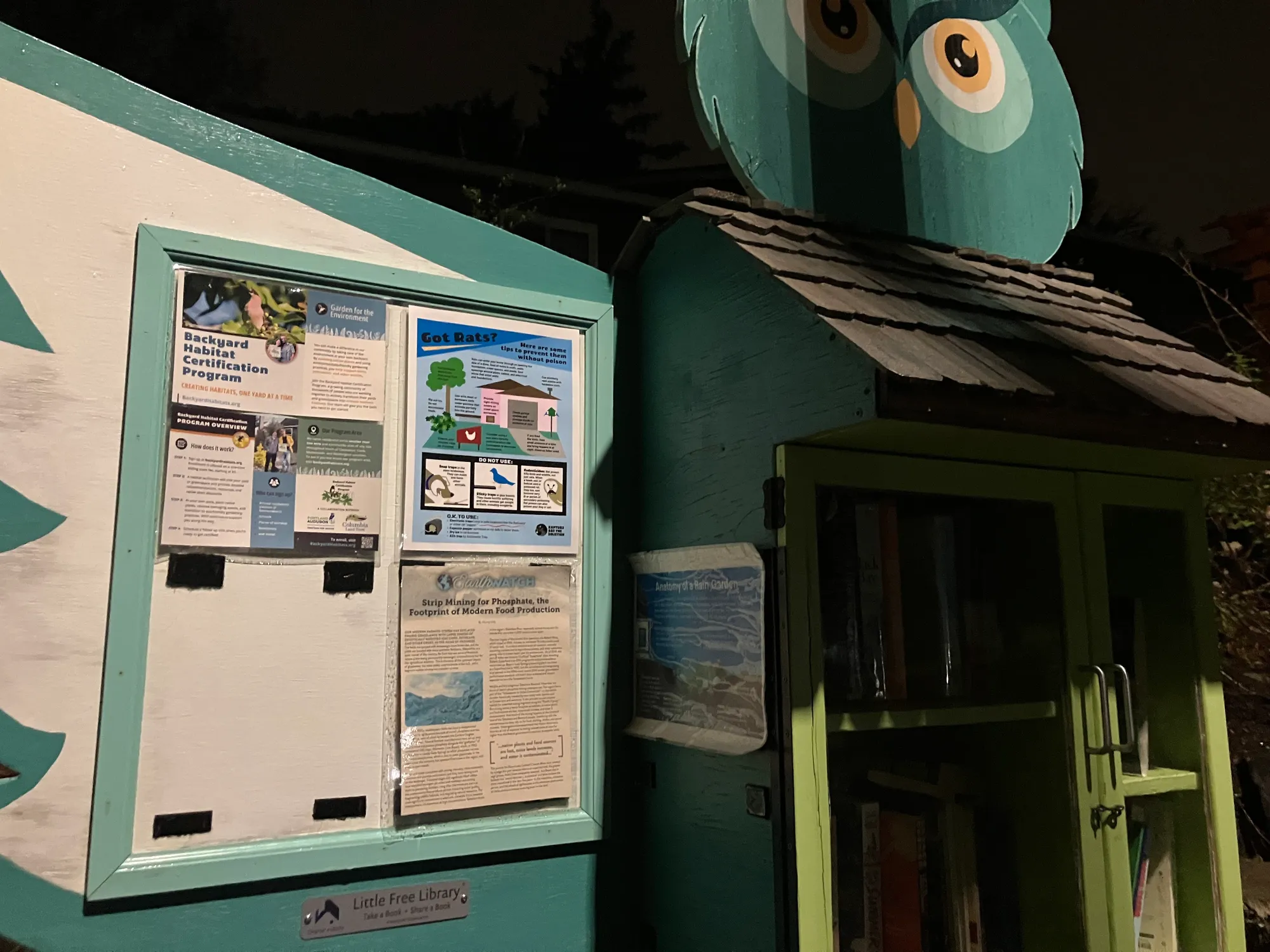
to achieve milestones like the National Wildlife Federation's
Certified Wildlife Habitat status. By transforming private yards
into native ecosystems, we create a continuous Green Ribbon
through Beaverton. This is the logistics of biodiversity:
connecting fragmented habitats into a unified corridor that
supports our essential pollinators. When we empower residents to
be stewards of their own land, we move from a collection of
isolated yards to an infrastructure uptime, living landscape.
_26 Revive the Roadside - Turning Dead Space into Living Assets
Our city medians shouldn't be a drain on our budget or our
environment. I propose replacing high-maintenance grass and
heat-absorbing concrete with native wildflower corridors. These
low-water, high-biodiversity zones naturally manage stormwater
runoff, reduce municipal mowing and irrigation costs, and
beautify our transit corridors. We move from dead space to
active carbon-offset zones. I advocate for the deployment of
floating Flower Islands in waterbodies like Johnson Creek and
Commonwealth Lake. These anchored habitats provide sanctuary for
local flora and fauna, filtering our water while showcasing
Beaverton's commitment to creative, nature-based engineering.
_27 Reviving Our Waterways: Combating Thermal Pollution
We must address thermal pollution, a silent but devastating
factor in our environmental health. Aquatic ecosystems depend on
cold water, which holds the dissolved oxygen essential for
everything from microbes and insects to fish and their eggs. I
advocate for targeted engineering to lower water temperatures,
including outflow-pipe cooling reservoirs, misting systems, and
the restoration of robust riparian shade zones to shield our
streams from the sun. We must move toward proactive cooperation
with nature. This includes strategically encouraging beaver
populations to build dams and dens where they can naturally
slow, cool, and filter our water. By integrating human
engineering with natural wisdom, we restore the balance of
Beaverton's living waters.
_30 Our Sanctuary City - An Obligation, Not a Medal
Most of us have heard the adage 'actions speak louder than
words'. In Beaverton, holding the title of a Sanctuary City is
highly esteemed, but it isn't just a medal to be lauded – it's
an obligation to be upheld through our combined choices and
daily actions. While both privacy and security are important, as
far as governing bodies are concerned, I believe there is a much
higher value in preserving our privacy than sacrificing it in
the name of security. A true sanctuary is a place where you are
safe from overreach. Being a Sanctuary City means more than just
a policy on a shelf. It means ensuring our city's data systems,
law enforcement practices, and administrative hurdles never
become a back-door for those looking to harm our neighbors. We
will lead with our actions, ensuring that Beaverton remains a
safe harbor for all who seek to build a life here, protected by
the shield of privacy.
_37 The Legacy Ledger (Time-Banking)
We are currently wasting thousands of hours of social capital
that could be the lifeline for our neighbors. I propose The
Legacy Ledger, a municipal currency system inspired by the
altruistic Japanese Fureai Kippu system. Younger residents earn
Time Credits not by performing a task, but by offering the gift
of presence—sharing a conversation, a walk, or a shared meal
with our elders. These hours are recorded in a secure municipal
ledger, guaranteed by the City. These credits are fully
transferable; they can be banked for the volunteer's own future,
gifted to a family member in need, or donated to a community
pool for those without local support. This creates an
inflation-proof cycle of reciprocity that honors the dignity of
every resident. Whether you are a student seeking purpose, a
neighbor wishing for the parents you left behind to be cared
for, or an elder waiting for the sound of a knock at the
door—this is for you. It ensures that no one in Beaverton is
left to walk the path of aging alone, proving that our greatest
strength isn't our budget—it's the profound, enduring promise
that we will never let each other be forgotten.
Professional Background: A Trifecta of Expertise
"Antonio offers a unique blend of professional experience that
allows him to analyze city management through three critical
lenses: analytical, environmental, and fiscal."
-
Fiscal Precision:
As a former accountant at Intel, I managed high-stakes financial
data and complex corporate budgets. I bring this same big tech
rigor to City Hall, ensuring your tax dollars are managed with
transparency and zero-based budgeting discipline.
-
Environmental Stewardship:
My career has been defined by a boots-on-the-ground commitment to
Oregon's landscape. I have served in such roles as a Forest
Management Technician (Oregon Department of Forestry), an Insect
Surveyor (Oregon Department of Agriculture), and a Community
Service Aide II (Portland Bureau of Environmental Services). This
technical background allows me to protect Beaverton's urban canopy
and water quality using science, not just sentiment.
-
Community Leadership:
I believe in active service. I currently serve the Central
Beaverton Neighborhood Association by representing our community
as a Member-at-Large on the Beaverton Committee for Community
Involvement (BCCI), specifically contributing to the Land Use and
Neighborhood Matching Grant subcommittees. Additionally, I am a
proud volunteer with the Oregon Humane Society.
_03
Pillar 3: Power to the People (Citizen Agency & Youth)
Replacing empty promises with a literal seat at the table for our
youth and working-class citizens.
_09 Citizen Agency Workshops: The Boots-on-the-Ground Initiative
We don't need a centralized department to tell us how to care
for our neighborhoods. It's time to move from managed engagement
to direct empowerment. We are currently over-processing
community input through expensive, centralized staff. I propose
cutting the bloated Community Engagement budget and returning
both the power and a fraction of those funds directly to the
Neighborhood Association Committees – the authentic,
volunteer-led heart of Beaverton. We could launch a city-wide
partnership with groups like SOLVE.org that invites local
businesses to sponsor neighborhood wins. By clearing illegally
dumped trash or returning stray shopping carts, residents can
earn Beaver Bucks or other local incentives. This isn't just
about cleaning up; it's about restoring the spirit of
volunteerism. When we give neighbors the tools to self-manage,
we build a city that is cared for by the people who live there,
not just the people paid to monitor it.
_10 Strengthening Future Leaders: The Youth Stewardship Corps
The future of Beaverton shouldn't have to wait until they are
thirty to have a seat at the table. Our high school students are
our highest-value demographic, yet they are often the most
sidelined in civic discourse. I propose the creation of at least
one Honorary Youth Chair on the City Council, specifically for
local high school students who have participated on the Mayor's
Youth Advisory Board. This wouldn't just be a shadowing program;
it would be a role students run for, campaigned for, and earn.
This initiative offers invaluable real-world experience,
bolstering educational paths and self-esteem. By including a
youth voice in our highest level of local government, we ensure
our policies are forward-thinking and inclusive of the
generation that will eventually inherit the systems we are
building today.
_11 The Neighbor-First Standard: Restoring Radical Fairness
In a city where the most connected often get the first bite of
the apple, I propose a random selection model for the
distribution of limited civic resources. Currently, grants,
prime parking permits, specialized housing spots, and even
certain civic appointments often flow toward those with the
loudest voices or the deepest pockets. This creates a 'success
to the successful' trap that leaves the working class behind.
For specific, high-demand resources, we can implement a
transparent civic draw system where value is based on residency.
Whether it's a small business grant or a spot in a new housing
development, every interested eligible resident—from the CEO to
the barista—has the exact same mathematical chance of attaining
it. This ensures that the person who has a little can use what
they have to as good an advantage as the person who has much. It
removes cronyism from the equation and restores faith in our
city's distributive justice. This means shifting from
Administrative Action (Top-Down) to Citizen Agency (Bottom-Up),
where the audit trail—The Live Solvency Monitor—proves that
every dollar spent aligns with the documented needs of the
residents, not the convenience of the bureaucracy.
_13 Prioritizing Heritage & Vitality: Revitalizing Our Existing
Assets
I advocate for a Parks-First infrastructure policy. Before
committing to budget-draining, gratuitous street projects that
offer marginal utility, we must prioritize the maintenance and
enhancement of the public spaces we already have. We saw a
failure of this logic recently at the intersection of SW Cedar
Hills Blvd and Hwy 8, where sixty-year-old cottonwood trees -
vital carbon sinks and heat-shielding canopies - were removed
for impervious surfaces that only worsen the urban heat island
effect. Instead of expanding the concrete footprint, we should
invest in the social infrastructure everyone can access. I
propose infrastructure resilience like installing raised
boardwalks in Greenway Park to reopen flood-prone trails, and
safer parking along NW Skyline Blvd at Forest Park near Firelane
15; civic vibrancy like adding modern playgrounds, water
features, and art installations; and creative economic choices
like commissioning murals by local creators to transform blank
walls into community inspirations and hosting micro-festivals.
Let's stop building more pavement and start breathing more life
into the parks we love. It's time our policies reflected the
vibrant, multifaceted city that Beaverton has already become.
_20 Bridging the Power Inequity: The Per Capita Solution
A child's potential should not be determined by their ZIP code.
We must address the structural stacking of the deck that creates
generational inequity in our school system. Current funding
models often prioritize testing standings, which effectively
rewards schools in affluent areas while starving those in
neighborhoods that need support the most. This teaches one group
they are entitled to more, and another that their future is
expendable. I propose a shift toward a strict per capita funding
formulation. By ensuring that funding follows the student
equally, regardless of a school's testing rank, we decouple
resources from standardized performance. This creates a level
playing field with prefunding, ensuring every student has access
to the same quality of infrastructure, technology, and
mentorship.
_21 Hyper-Local Engagement: The ZIP Code Strategy
Communication from City Hall shouldn't feel like spam. I am
committed to hyper-local engagement that speaks directly to the
logistical issues on your specific block, not just vague
city-wide platitudes. By utilizing systems like the US Postal
Service's 'Every Door Direct Mail' (targeting the vastly
different logistical needs of Beaverton's areas like 97005,
97008, and 97225), your leaders could ensure that when a project
affects your street, you are the first to know. We would bypass
the digital noise and land directly on your doorstep with
relevant, actionable information. Progress shouldn't feel like a
landslide. I propose a staggered pace for new city plans. By
implementing changes in stages, we allow more time for authentic
public participation and give our neighborhoods the necessary
window to acclimate and provide feedback before the next phase
begins. We want to move at the speed of community, not the speed
of a deadline. Change should be an integration, not an
imposition.
_25 Micro-Lease Zoning: The Business Incubator Grid
The American Dream shouldn't require a $50,000 startup loan just
to open a front door. In Beaverton, our commercial spaces are
often too big and too expensive for the alternative working
class and the solo entrepreneur. I propose a new zoning overlay
that incentivizes property owners to subdivide large, stagnant
commercial footprints into Micro-Leases. Imagine one storefront
housing a morning coffee pop-up, an afternoon repair specialist,
and an evening artisan – all sharing the same utilities and
overhead. By streamlining the permitting process for these
multi-tenant spaces, we lower the financial floor for small
business owners. This isn't just about saving money; it's about
creating a vibrant, high-density business culture where
entrepreneurs can test their ideas without risking their life
savings. We're turning Beaverton into a city of launchpads, not
just landlords.
_32 The Neighborhood Associations Grant Program: Self-Reliance
and Civic Cooperation
Wealth shouldn't be a prerequisite for taking pride in your home
or starting a small repair business. I propose expanding our
award-winning library system to include a Community Tool
Library, providing residents with access to high-quality power
tools, landscaping equipment, specialized repair kits, and
workspace. Whether you are a tenant trying to fix a leaky faucet
or a senior maintaining your garden, the city should provide a
means of improvement to everyone. This program reduces
neighborhood redundant line-items, lowers the cost of living,
and empowers our Neighborhood Association Committees. By
lowering the barrier to home and neighborhood maintenance, we
ensure that Beaverton stays beautiful through the collective
action of its people, not just the checkbooks of the wealthy.
_33 The Beaverton Apprenticeship Pipeline: Vocational
Sovereignty
College isn't the only path to a middle-class life, and it's
time our city stopped pretending it is. I propose The Beaverton
Academy: a city-sponsored, industry-partnered vocational
incubator. We have Intel, Nike, and thousands of small
businesses crying out for electricians, precision machinists,
and specialized technicians. We would collaborate to use
city-owned facilities during off-hours to provide low-cost,
high-speed certification in the trades that actually build and
repair our city. This feeds directly into local-first
procurement; When the city needs a new HVAC system or a bridge
repair, we won't hire a conglomerate from California, we'll hire
the graduates of our own Academy. We are training our residents
to own the tools of their own production.
_42 The Common Can Initiative (C.C.I.): A Dignity Project
We have not only seen problems with how legacy guard systems
treat bottle deposits as a nuisance—we lived it. The standard
approach forces individuals in survival mode to sift through
refuse to find returnables, creating a mess for sanitation
workers and a degrading experience for the collector. Virtue
signaling through terminology like 'unhoused' does nothing to
solve a caloric or financial deficit. Our solution is to install
standardized, inexpensive, metal fixtures, C.C.I.s, on public
waste bins via our Common Can Initiative (C.C.I.). This is a
deployment that should avoid the stall tactics of legacy guard
bureaucracy; it can happen immediately, with a full-scale city
rollout achievable in a matter of days rather than months. These
high-gauge, weather-resistant stainless steel or recycled
aluminum racks are designed to hold 10¢ deposit bottles and
cans, and allow for quick and easy accessibility. By mounting
these at hip height to City of Beaverton and TriMet receptacles,
citizens can 'donate' a deposit by placing the bottle in the
rack instead of the bin, allowing collectors to retrieve that
value without entering the waste stream. This is a mechanical
fix for a human problem from someone who took 'rock bottom' and
built a bridge out of it. We move beyond a rare can here or
there by leveraging Pillar 3, Power to the People, to create a
coordinated network of these assets. Local businesses, groups,
individuals, transit authorities, etc. can fund a C.C.I. as a
subtle marker of their alignment with The Pirog Policy
Framework. Each fixture would feature a large, durable front
surface designed for a weatherized sticker—branding of the
donor's choice, whether art, a business logo, or a message
(provided it meets our standard of conduct). We recognize that
there will always be bad actors. Some who are not in need will
inevitably take from the racks; we are not under any delusions
that every interaction will be perfect. That is on them if they
choose to govern themselves as such, but we are not going to
'punish' the truly vulnerable because of a few bad apples. With
that mentality, nothing would ever move forward. If a few
teenagers take cans for some candy and chips, it is a variable
long since incorporated into our research. The procurement and
installation process is designed for a lean fiscal reality and
maximum velocity, so much so that it leaves one to wonder why
these aren't already a city-wide staple. The materials are
off-the-shelf and require no specialized 'Smart Device'
technology or complex maintenance. Thoreau walked the woods to
find the 'essential facts of life', and in The 24-Hour City, the
essential fact is that a returnable is a currency. The C.C.I. is
the ATM for the 'invisible population'; it doesn't ask for a
name, it only asks for the deposit. Let's start to fix the mess
by replacing scavenging with collecting.
A Smarter Triple Bottomline
"I'm running on a data-driven platform designed to modernize
Beaverton's infrastructure while protecting our Green Heart to
ensure Beaverton remains sustainable, solvent, and built for
everyone."
-
Fiscal Accountability & The Concierge Model:
To bridge the city's budget deficit, I advocate for zero-based
budgeting and efficiency audits to eliminate legacy redundant
line-items while exploring untapped revenue streams. I support a
Concierge Model for local business – shifting from bureaucratic
gatekeeping to a navigator approach. By streamlining permits for
signage, sidewalk cafes, and extended hours, we lower barriers for
everyone, especially our immigrant entrepreneurs. We must treat
time and money as the high-value resources they are.
-
Housing for All: As a
resident and stalwart supporter of affordable housing projects
like Meadowlark Place, I am committed to ensuring that seniors,
teachers, and our most vulnerable neighbors aren't priced out of
the city they love. We need housing that serves people at every
stage of life.
-
Traffic & Climate Infrastructure Uptime:
Traffic is a logistical failure that impacts our quality of life.
I prioritize data-driven signal synchronization and the Green Wave
for emergency vehicles to shorten response times. Our Climate
Action Plan must move beyond eco-friendly buzzwords. I view
climate infrastructure uptime as a way to shape a
nature-restorative community that is both welcoming and
functional.
-
Preserving the Green Heart:
In partnership with Tualatin Hills Park & Recreation District,
I would work to protect our wetlands and urban canopy while
expanding access to underserved areas. I am a proponent of active
nature, including pilot off-leash hours and expanded pet-friendly
zones at sites like Hyland Woods and Westside Trail to reflect how
Beaverton families actually use our parks.
-
Invested Youth: Our
future depends on the next generation. I champion after-school
partnerships with organizations like HomePlate Youth Services and
propose expanding the agency of the Mayor's Youth Advisory Board
members by creating an Honorary Youth Chair on the City Council.
This ensures Beaverton's youth don't just have a path to success –
they have a seat at the table to help build it.
2026 Gun Sense Candidate Distinction
Advocating for common-sense gun safety and data-driven violence
prevention.
_04
Pillar 4: The 24-Hour City (Infrastructure, Safety & Transit)
Building a vibrant, connected city that operates safely for everyone,
regardless of what the clock says.
_04 Beaverton Last-Mile Micro-Transit: The Jitney Shuttle
A great transit system shouldn't leave you stranded in the rain
eight blocks from your destination. Currently, many Beaverton
residents—especially our seniors and those in the alternative
working class—face a last-mile gap that makes public transit
impractical. I propose a city-backed Micro-Transit pilot.
Instead of giant, half-empty buses lumbering through residential
side streets, we would get to utilize smaller, electric
on-demand shuttles. Think of it as a public rideshare that
bridges the gap between major transit hubs and your front porch.
By integrating this with existing platforms (like TriMet's Hop
Card), we make the transition seamless. This isn't just about
moving people; it's about supporting our businesses, reducing
the need for massive parking lots, and ensuring that every
corner of Beaverton is truly connected.
_14 Night Parks & Off-Leash Hours
Beaverton doesn't—nor should—go to sleep at 11PM. For our
nurses, first responders, gig workers, and night-shift families,
the city doesn't stop when the sun goes down, but our access to
public spaces does. It's time we acknowledge that our nightshift
workers, late-night explorers, and our four-legged friends
deserve safe, accessible places to recreate at all hours. I
advocate for extended park hours backed by smart,
high-efficiency, warm-spectrum safety lighting. This isn't about
disturbing the peace; it's about ensuring that someone getting
off a shift at 2AM can safely walk their dog in an expanded
off-leash area or enjoy the serenity of our public lands. I
would move to extend the hours of our water features and scale
up programs like Tualatin Hills Parks & Recreation
District's Park After Dark. By offering activities and safe
spaces throughout the night, we provide opportunity and
belonging for a demographic that has been traditionally locked
out of our civic amenities. We are one community, regardless of
what the clock says.
_15 Nocturnal Ecosystem Protection: Preserving the Rhythm of the
Wild
We must protect the bio-indicators of our city's health. I
propose Dark Sky initiatives and noise-reduction zones around
our critical wetlands and parks. By reducing light spill and
sound pollution, we preserve the natural life cycles of
essential local species – from the barred owl and red-legged
frog to our city's namesake, the beaver. This is a logistical
fix with a philosophical reward: implementing smart, shielded
night lighting doesn't just protect our wildlife; it beautifies
our neighborhoods and restores our right to see the stars. We
can have a safe, well-lit city without erasing the night sky.
_28 The Municipal Emergency Support Hub (M.E.S.H.): Emergency
Preparedness
In a crisis - whether it's an ice storm, a seismic event, or a
wildfire - the first 72 hours are won or lost at the
neighborhood level. I propose designating and equipping
Municipal Emergency Support Hubs (M.E.S.H.) within our existing
Neighborhood Association Committee structures. These aren't just
meeting spots, we would provide these hubs with solar-powered
charging stations, emergency water filtration, and basic medical
supplies. By training local volunteers in basic triage and
utility shut-off, we ensure that if the grid goes down,
Beaverton doesn't. Our Community Emergency Response Team is a
great foundation, but we can't expect every family in an
apartment complex to have 14 days of water and a generator.
M.E.S.H.s turn our Neighborhood Association Committees into
literal lifelines; we move from a fragile centralized system to
a robust decentralized network where neighbors have the tools to
save neighbors. We aren't just giving you a brochure; we're
giving your neighborhood a solar-powered heartbeat.
_31 The Community Paramedicine Pilot: Public Health
Our Emergency Rooms are currently the most expensive doctors
offices in the world. I support a Community Paramedicine Pilot
that brings proactive healthcare directly to our vulnerable and
underserved residents. Instead of waiting for a 911 call,
trained volunteers would conduct wellness rounds checking in to
help with things like medication management or identifying fall
risks in the home. This reduces the strain on our ambulances and
hospitals, saves taxpayers thousands in unnecessary transport
costs, and ensures that our most isolated feel seen and cared
for before a crisis occurs – it's about being a sanctuary for
health, not just a siren in the night.
_34 Driver Education Reform: The 2 P.A.S.S.S. Standard
Safety on our streets shouldn't be a suggestion; it should be a
baseline of civic competency. While licensing happens at the
state level, Beaverton can lead the way by advocating for and
piloting a higher standard of commuter welfare. I propose 2
P.A.S.S.S. (Physical Infrastructure, Awareness, Systemic Safety,
and Standardized Skill), a reform of driver education focused on
the five most critical behaviors that impact our community's
safety and flow: Phone use (eliminating digital distraction),
Aligned parking (maximizing space and visibility), Signaling
(communicating intent to the network of fellow road users),
Speeding (adhering to assigned parameters and the data-driven
flow of traffic), and Stopping (respecting the sanctuary of the
crosswalk). By partnering with local driving schools and
advocating for competitively sought Beaverton-Certified
education incentives, we can prove that a more difficult,
competitive licensing process leads to a more civil, efficient,
and prosperous city. We don't just want drivers; we want citizen
commuters who respect the shared ecosystem of our roads,
transforming a right into an earned responsibility.
_36 The Beaverton Breeze (Non-Stop Aerial Transit)
We cannot pave our way out of congestion. I propose a pilot for
The Beaverton Breeze, an urban aerial gondola system designed to
bypass our city's primary bottlenecks. By utilizing air rights
over existing public easements, we can connect hubs like the
Beaverton Central MAX station and Sunset Transit Center directly
to popular spots like Silicon Forest and Tanasbourne, as well as
increasing commuter options to underserved residential corridors
in neighborhoods like Southwest Neighbors and Denney Whitford /
Raleigh West. This modular infrastructure is specifically
engineered for Hot-Swappable expansion; unlike road construction
that requires debilitating shutdowns, the system can be upgraded
and the lines extended to meet future growth patterns without
interrupting existing Breeze routes or surface-level traffic
flow. This is the Scientist-Philosopher’s solution to the
First-Mile/Last-Mile gap: a high-frequency, all-electric, and
weather-resilient bypass that requires 74% less capital
investment per mile than traditional Light Rail and provides
high-speed, grade-separated transit for approximately $65M per
mile. We aren't just moving people; we are elevating the city's
logistical baseline above the traffic of the 20th century.
_38 Overhead Speed-Sync: Smart Corridor Architecture
Beaverton’s roadside traffic signs are technically obsolete;
they sit off to the side, demanding drivers shift their focus
away from the road to process data. This proposed installation
of overhead digital displays at every major intersection to
place speed limits and safety traffic data directly within the
driver’s primary Line of Sight—exactly where they should already
be looking. Prioritizing high-friction corridors such as SW
Canyon Rd and SW Murray Blvd, this initiative utilizes a
monochrome or high-contrast LED visual interface to ensure
absolute visibility in all weather conditions, including rain
and fog. This adoption could be Beaverton's chance to
revolutionize how driving in the urban landscape can be;
high-visibility displays, hardwired directly into the city’s
central signal controller system via API-level access to provide
dynamic, variable speed limits based on time of day and traffic
density. This replaces static 20th-century signage with an
automated, synchronized flow. Depending on conditions, the
target speed is variable, with speculative ranges from 20 MPH to
60 MPH. By maintaining the indicated velocity, drivers hit a
Green Wave of synchronized signal clearance. In addition to
drivers and passengers, residents benefit indirectly as
emergency vehicles utilize the Green Wave to improve reaction
and arrival times. Transitioning to this infrastructure
effectively ends the era of punitive speed traps in favor of
systemic efficiency. This data-driven approach reduces commute
times, fuel costs, and pollution by eliminating stop-and-go
frustration and keeping everyone moving through smart
infrastructure coaching.
Why I'm Running: Roll-Up-Your-Sleeves Energy
"My goal is a Beaverton that offers abundance, belonging, and a
spirit of volunteerism to all—that's what inspires me to develope
The Pirog Policy."
I am running because I believe a city is only as strong as its
foundation. I built my own life from the ground up through
self-reliance. I have never allowed my disabilities to hinder my
goals; instead, they have emboldened my pursuits and taught me the
value of persistence. Now, I am at a stage where I have the time,
the technical training, and the energy to give back to the city I
enjoy every day.
My motivation isn't found in political ambition or personal gain,
but in the principle of stewardship—a concept reflected in the
Seventh Generation Principle, a Haudenosaunee philosophy that helped
shape the U.S. Constitution. This guiding principle reminds us that
we are merely borrowing the world from our descendants. I am
motivated to do what is right and good by applying sustainability
and wisdom to today's decision-making, ensuring that we hand back a
Beaverton that is stronger, more solvent, and more resilient than we
found it.
I am a scientist-philosopher at heart. I have spent years in
Beaverton's neighborhoods and parks identifying the logistical
bottlenecks and fiscal challenges we face – not just as a resident,
but as a professional trained to spot the details others miss. From
auditing tax codes to surveying our canopy, I have seen where our
systems are stalling. I am an Active Observer, seeing our city not
just as a collection of buildings, but as a living system. This
perspective allows me to be the efficient leader who understands the
value of a dollar, and the effective one who honors the sanctity of
a park. I am ready to apply a patient, methodical commitment to
efficacy and empirical results, ensuring those outcomes serve our
grandchildren—not just the next fiscal quarter.
_06The Active Observer's Manifesto
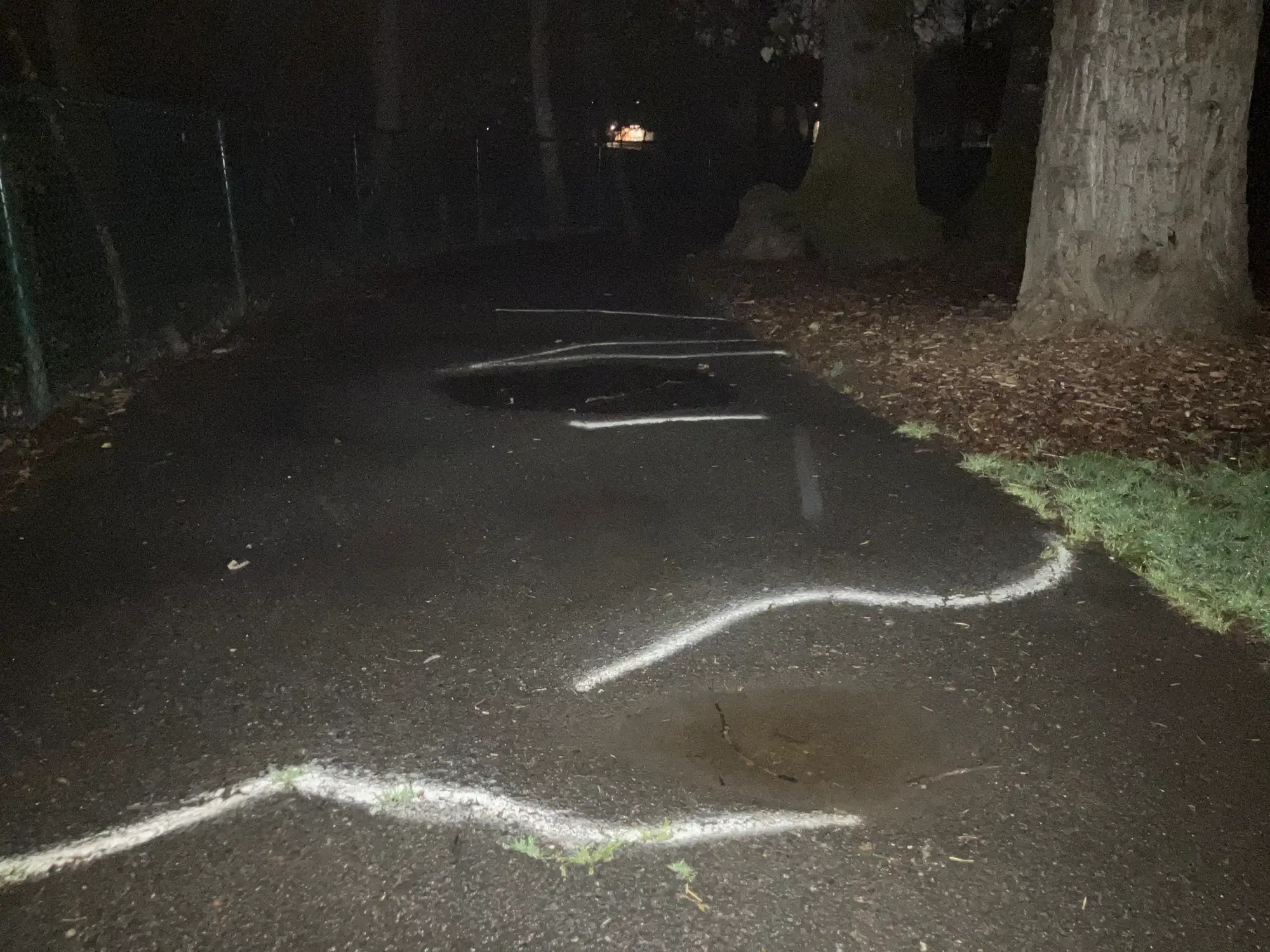
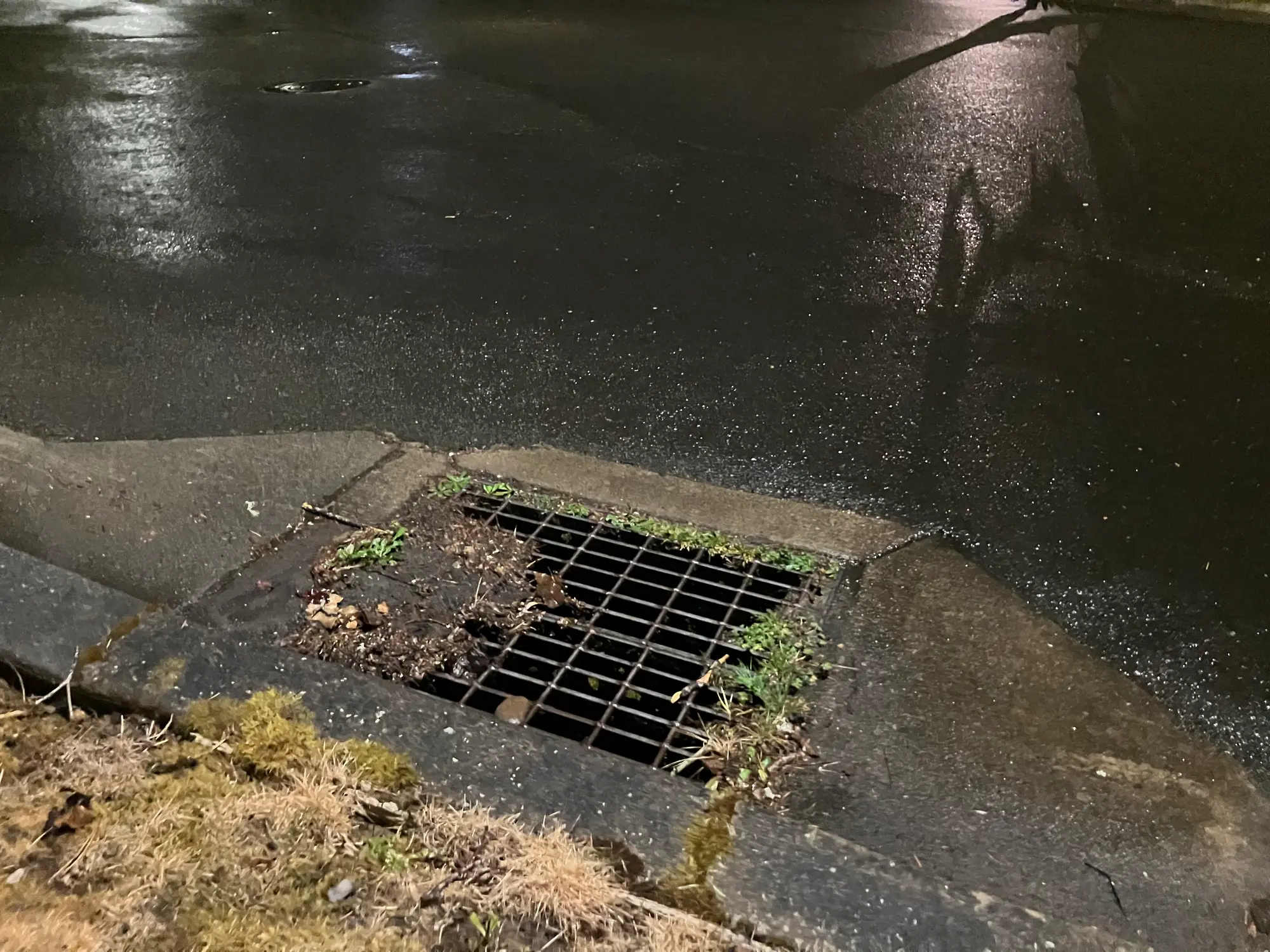
I. The Pavement Doesn't Lie
A city's health is not measured by press releases or promises; it
is measured by the state of its physical infrastructure. If the
curbs on Canyon Road are crumbling, the budget is broken. We
govern from the ground up, not
the top down.
II. Prove the Dollar
No department is entitled to last year's budget. Every program,
every grant, and every initiative must
justify its existence from
zero, every single year. If a program cannot prove a direct,
measurable benefit to the residents of Beaverton,
it gets cut.
III. Falsifiable Governance
Good intentions are not a metric. Every new city project must be
built with a clearly defined
kill switch. If an initiative
fails to meet its
mathematical targets, it will
be automatically defunded. We will no longer finance failure.
IV. Concrete Over Concepts
We will prioritize the
unglamorous necessities—solvency, safety, and infrastructure—over ideological vanity
projects. The
Solvency Rule must hold strong
before we build anything else.
V. Radical Transparency
I will not be a politician who tells you what you want to hear. I
will be the auditor who shows you the
math. If the city cannot
afford it, I will say so.